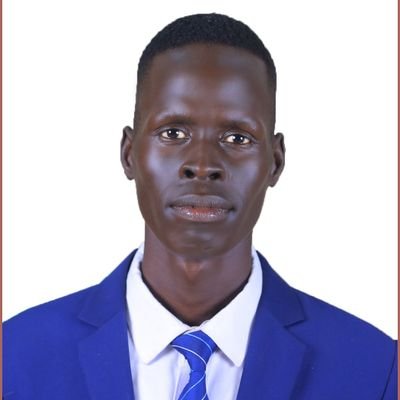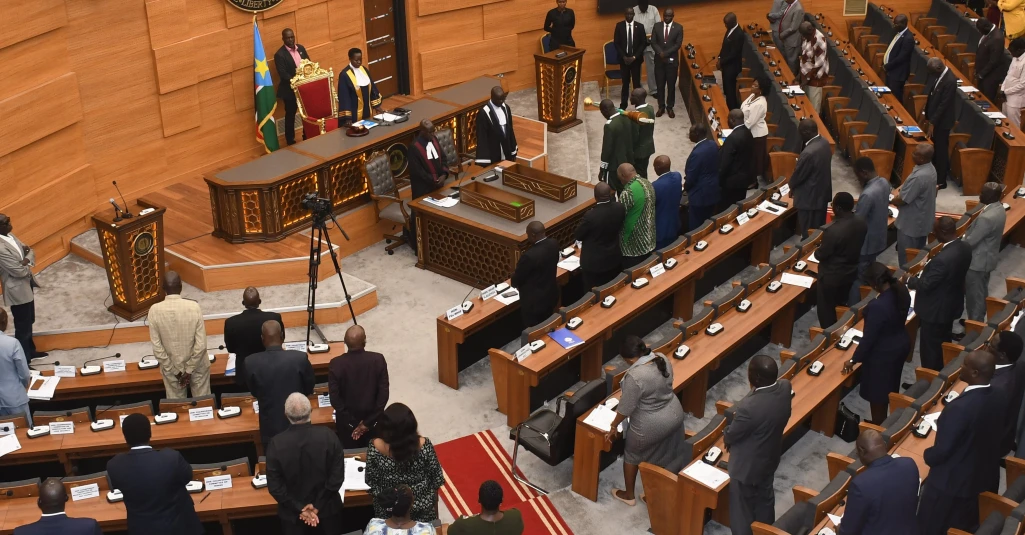
Hon. Bona Deng Lawrence, chairperson of the Standing Specialized Committee on Peace and Reconciliation, presented the Commission for Truth, Reconciliation, and Healing Bill, 2024; and the Compensation and Reparation Authority Bill, 2024, for the third and final reading. After careful consideration, the august house passed them.
“This bill has addressed issues related to accountability, compensation, and reparation to the victims or survivors and has positions for major and nonrecurrence of the conflicts in the country,” Deng explained the commission for the Truth, Reconciliation, and Healing Bill, 2024.
“The committees conducted consultations with national and regional experts for more insight on issues related to transitional justice, especially on compensation and reparation.”
According to the 2018 Revitalized Peace Agreement, the transitional justice legislations were supposed to be enacted by May 2020, three months after the formation of the Revitalized Transitional Government of National Unity.
The laws required the establishment of the institutions within three months, but the peace deal's implementation has progressed slowly.
President Salva Kiir launched nationwide public consultations in 2022 to establish the Commission for Truth, Reconciliation, and Healing, two years after the formation of R-TGoNU.
After passing the bills, Speaker Jemma Nunu Kumba emphasized the importance of the bills fast-tracking the implementation of some of the provisions of the 2018 peace agreement.
“Everybody has been waiting for these bills and now they are passed so that some aspects of the provisions of the peace agreement can be effective. So, we have done our part, and we passed it to the executive,” Hon. Nunu stated.
The bills will now be taken to the president to sign them into law.
These laws, once enacted, will guide the establishment of the Commission for Truth, Reconciliation, and Healing (CTRH) and the Compensation and Reparation Authority (CRA) to pave way for the Hybrid Court for South Sudan.
The Commission for Truth, Reconciliation, and Healing shall
document abuses and identify perpetrators of violations, who shall then be
tried by the Hybrid Court for South Sudan. Meanwhile, the Compensation and
Reparation Authority will facilitate the process for compensating the victims.